


The star has handed over the complete sum of his twenty-five thousand pound Mercury Prize cash to the trust for venues, which functions to protect the United Kingdom's grassroots music venues.
Fender was given the cheque on mid-October as his new release his work was named the top album of the previous year.
The musician has decided to hand the money over to the MVT, in acknowledgment of the vital role grassroots venues fulfilled in his initial steps.
"I personally couldn't be pursuing what I am doing today if it hadn't been for all the gigs I played around the North East, and further afield, when I was starting out," remarked the artist. "These venues are iconic, but they are in difficulty."
Beginning in 2023, over 150 of these venues have permanently closed – approximately one-sixth of the whole industry in the UK.
In the last year, well-known musicians like Pulp, Coldplay, Katy Perry and Ed Sheeran have all backed the trust in its initiatives to help venues survive, by adding a small levy to their ticket costs, which benefits smaller concert halls.
Fender also joined in, generating in excess of £100,000 on his recent tour to support numerous small stages across Britain.
These funds supported spaces that were confronting potential shutdown due to challenges arising from floods, fire incidents and bereavements, as well as regulatory hurdles, court cases and neighbor objections.
Some locations obtained monetary aid in upgrading infrastructure and technical equipment that directly benefitted performers and concertgoers.
"The idea that funds from performances in large arenas supports the smaller venues, where it all starts for performers like me, is just logical," the star has said.
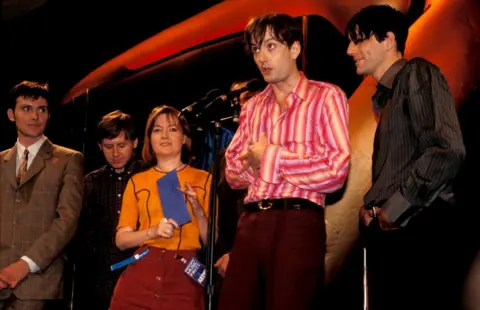
He is not the first artist to contribute his Mercury Prize funds to worthy causes.
When they won the prize in 1996 for their album Different Class, vocalist Cocker declared that the band would donate their prize money to the charity War Child.
In 2002, musician the artist shared her prize between a few good causes, such as the NSPCC and a Sickle Cell charity.
"I also gave a thousand pounds to Highgate Newtown, to their gymnastics program, because I practiced gymnastics when I was younger and they lacked better apparatus," she explained to outlets.
In recent years, the band contributed their prize money to the youth organization that supported their group, as well as other local music groups.
And the 1994 recipients they gave their winnings to a charity for MS after a acquaintance was identified with the illness.
"The victory was sufficient," stated artist Heather Small. "The money was the extra but we didn't require the bonus, because we had the main prize. So our winning impacted somebody else's life."
Recently, the Music Venues Trust revealed it had rescued several small stages in south-east England, by bringing them into public stewardship.
The first in Southampton and The Croft in the city were purchased under the community ownership initiative, which is funded by the arts council and supporters who acquire "shares" in the venues.


